80s Grandpa Wavy Retro Svg Design Review
When I sit down to evaluate a new digital asset for my embroidery studio, I am rarely looking at it as just a picture. I am looking at how it will behave under the needle, how it will hold up after twenty washes, and whether it will actually sell on a boutique shelf or just sit in a drawer. Recently, I pulled 80s Grandpa Wavy Retro Svg Design into my workflow to see if it had the legs to be a staple in my handmade product line. The premise is simple: a wavy, retro-themed graphic that promises nostalgia with a modern twist. But does it translate well from a screen to fabric? Here is my honest breakdown of how this design performs in real-world embroidery projects.
The First Impression: Mood and Visual Personality
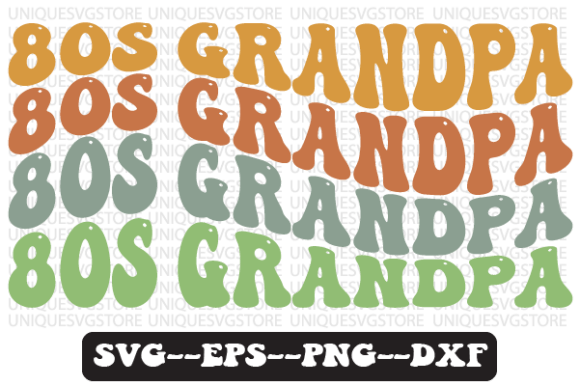
From a pure aesthetic standpoint, 80s Grandpa Wavy Retro Svg Design hits the right notes for the current market trend toward nostalgic, comfort-driven apparel. The "wavy" element suggests movement and fluidity, which is crucial for embroidery because static, rigid lines can sometimes look stiff when stitched. This design feels relaxed, approachable, and slightly humorous without being overly cheesy. It evokes the feeling of a vintage vacation tee or a cozy sweatshirt you would wear on a Sunday morning.
For designers and crafters, the visual personality is its strongest selling point. It is not trying to be high fashion; it is trying to be relatable. This makes it an excellent candidate for personalized gifts, family reunion merch, or casual wear. The layout appears balanced, allowing for easy placement on various garments, whether centered on a chest pocket or spanning across the back of a hoodie. It has that specific "grandpa energy"—warm, established, and unpretentious—that resonates well with buyers looking for unique, conversation-starting pieces.
Real-World Application: Where This Design Shines
In my testing, I found that 80s Grandpa Wavy Retro Svg Design excels in medium-to-large format applications. It is not a delicate lace insert; it is a statement piece. Here is where I see the highest potential for success:
- Sweatshirt Embroidery: This is the natural habitat for this design. The wavy lines pair beautifully with the soft texture of fleece or cotton blends. When stitched onto a heavyweight crewneck, the contrast between the smooth thread and the fuzzy fabric enhances the retro vibe.
- Tote Bag Designs: For the eco-conscious crafter, placing this on a canvas tote creates a fun, everyday accessory. The durability of canvas supports the stitch density required for a bold retro look, ensuring the design doesn’t get lost in the weave.
- Baby Embroidery and Onesies: While typically associated with older demographics, the playful nature of the waves works surprisingly well for baby items. A subtle, pastel-threaded version of 80s Grandpa Wavy Retro Svg Design on a onesie adds a touch of humor for parents who appreciate vintage aesthetics.
- Embroidered Patches: If you are creating iron-on patches for denim jackets or backpacks, this design offers enough visual weight to stand out. It provides a clear focal point that looks professional and finished.
- Holiday Embroidery: Whether it is a gift for Father’s Day, a birthday present for a dad who loves the eighties, or a quirky stocking stuffer, the theme is versatile enough to fit multiple gifting occasions.
Technical Considerations and Stitch Behavior
As an experienced designer, I must address the technical side. Translating a vector-based SVG into a machine embroidery file requires careful attention to stitch types. The wavy elements likely rely heavily on fill stitch techniques to create those smooth, flowing curves. However, fill stitches can sometimes pool or show puckering if the underlying fabric is too thin or unstable.
I recommend paying close attention to stitch density. If the design is too dense, it may become stiff and uncomfortable against the skin, particularly on t-shirts or baby clothes. Conversely, if it is too sparse, the fabric might show through, ruining the clean, retro look. Testing the design on scrap fabric first is non-negotiable. You need to verify that the hoop size accommodates the full width of the waves without distortion.
Another critical factor is the choice of thread colors. The retro palette often relies on muted tones—mustard yellows, dusty teals, or burnt oranges. These colors require good contrast against the base fabric. On dark fabrics, you may need a cut-away stabilizer and possibly a backing layer to prevent the thread from sinking into the material. On light fabrics, the design pops naturally, but be mindful of shadow effects in your mockups.
Where to Use Caution
While this design is robust, it is not suitable for every surface. Avoid using it on highly textured fabrics like bouclé or heavy tweed, as the details will get lost. Similarly, stretchy knits can cause the wavy lines to distort during stitching if proper stabilizers are not used. Small hoop sizes may also crop the design awkwardly, cutting off the flow of the waves. Always inspect the corners and edges of the design in your software before sending it to the machine.
Impact on Product Value and Brand Consistency
For Etsy sellers and small shop owners, the perceived value of a handmade item is directly tied to the quality of the design. 80s Grandpa Wavy Retro Svg Design elevates a basic garment into a curated piece. It signals that the seller understands trends and cares about aesthetic cohesion. When customers see a professionally executed retro design, they trust the craftsmanship more than they do with generic clip-art placements.
This design also aids in brand consistency. If your shop focuses on vintage-inspired, comfortable, and humorous apparel, this motif fits seamlessly into your catalog. It helps create a recognizable style that buyers can identify instantly. Furthermore, the versatility of the design allows for cross-selling opportunities. You can offer matching sets—a sweatshirt for dad and a smaller version for a grandchild, or coordinating mugs and wall art for the home decor enthusiast.
Practical Designer Notes for Success
To get the best results from 80s Grandpa Wavy Retro Svg Design, follow these practical steps:
- Test on Scrap Fabric: Never go straight to the final product. Test the stitch-out to check for tension issues and color accuracy.
- Review Stitch Density: Ensure the design is not too heavy for the intended fabric weight. Lighter fabrics need lighter stitches.
- Check Licensing: Before selling any commercial embroidery products, confirm the license terms. Some digital assets allow personal use only, while others permit commercial sales of finished goods.
- Use Proper Stabilizer: Match your stabilizer to your fabric. Cut-away for knits, tear-away for wovens, and hooped stabilizers for stability.
- Inspect Small Details: Zoom in on the digital file. Are there tiny elements that might break or fray? Simplify if necessary.
- Mockup Effectively: Create realistic mockups that show the design on different fabric textures. This helps customers visualize the final finished product.
Final Verdict
80s Grandpa Wavy Retro Svg Design is a strong addition to any craft business inventory. It balances nostalgia with modern design sensibilities, making it appealing to a broad audience. While it requires careful technical execution regarding stitch density and stabilizer choice, the payoff in terms of customer engagement and product uniqueness is significant. For designers looking to add a touch of retro charm to their custom apparel or personalized gifts, this design delivers both style and substance. Just remember to test thoroughly, choose your threads wisely, and let the wavy vibes do the talking.