Best Gigi Ever Wavy Retro Svg Design Review
As a designer who spends more time than I care to admit staring at stitch density charts and debating thread color palettes, I don’t just look at an embroidery design; I evaluate its potential. When Best Gigi Ever Wavy Retro Svg Design landed on my desk, my first instinct wasn’t to immediately load it into the hoop. It was to ask: does this have legs? Can it survive the transition from a digital vector file to a tangible, stitched reality that a customer will actually wear or display?
The answer, after running through several mental mockups and reviewing the visual personality of the piece, is a resounding yes. But with caveats. This isn’t a simple fill-stitch logo that you can slap on anything without thinking. It’s a statement piece. It carries a specific mood—nostalgic, fluid, and undeniably retro—that demands respect in how it is executed. If you are an Etsy seller, a small business owner, or a crafter looking to elevate your handmade product line, understanding the nuances of this design is crucial before you commit to production.
First Impressions and Visual Personality
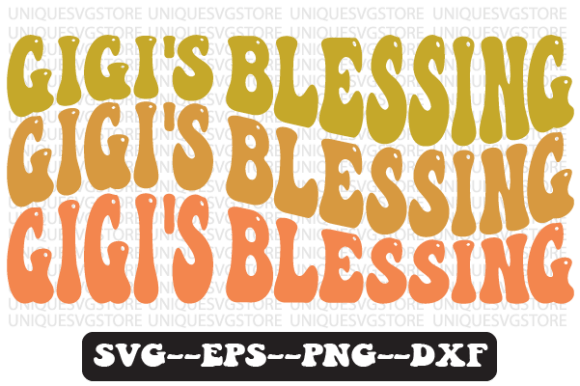
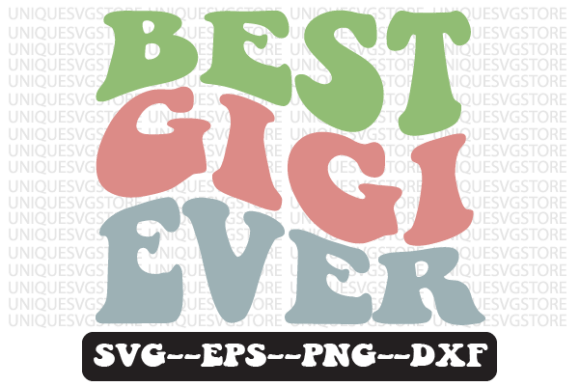
The moment you see the layout, the wavy aesthetic jumps out. It evokes a mid-century modern vibe mixed with contemporary surf culture, but softened by a gentle, flowing rhythm. For a machine embroidery design, this curvature is both a blessing and a challenge. The lines are smooth, which suggests they will translate well into satin stitches or carefully planned fill stitches, provided the digitizer has accounted for the tension.
Mood-wise, this design screams casual confidence. It feels like something you’d see on a vintage postcard from the 1970s, reimagined for today’s market. It’s playful but not childish, making it versatile enough for a wide range of demographics. Whether you are targeting young parents looking for unique baby embroidery options or millennials seeking nostalgic home decor, the visual appeal hits the right notes. It doesn’t feel cluttered. There is breathing room in the composition, which is essential for embroidery because too much detail often gets lost in the thread.
Real-World Application: From Screen to Stitch
Let’s talk about where this design shines. In my experience, the best embroidery projects are those that integrate seamlessly with the garment or item being decorated. Best Gigi Ever Wavy Retro Svg Design has a natural fit on soft goods. Imagine this embroidered on a heavyweight cotton sweatshirt. The wavy lines would contrast beautifully against the textured fabric, creating a tactile experience that adds value to the finished product.
I also see immense potential in tote bag designs. A canvas tote featuring this motif could easily become a boutique branding staple. The retro theme aligns perfectly with current trends in sustainable fashion and artisanal goods. For craft fair products, this design stands out because it tells a story instantly. It’s not just a pattern; it’s a vibe. Buyers engage with designs that evoke emotion, and this one taps into nostalgia while feeling fresh.
Beyond apparel, consider its application in personalized gifts. A set of kitchen towels or tea towels featuring this wavy motif could be a hit for housewarming presents. The design’s horizontal flow works well on rectangular items, allowing the eye to travel across the fabric naturally. Similarly, for holiday embroidery, the retro aesthetic offers a non-traditional twist on seasonal decor, appealing to those who want their homes to reflect a curated, eclectic style rather than standard festive clichés.
Where to Exercise Caution
No design is perfect for every surface, and being honest about limitations is part of professional practice. While Best Gigi Ever Wavy Retro Svg Design is robust, there are specific scenarios where it might struggle if not handled with care.
First, avoid placing this on highly textured fabrics like heavy bouclé or loose-weave linen unless you are using a substantial stabilizer. The wavy lines require a smooth foundation to maintain their clarity. On stretchy fabrics, such as thin jersey knits used for tank tops, you must be vigilant about puckering. The curvature of the design means that any distortion in the fabric will be amplified, potentially warping the waves into unintended shapes.
Dark fabrics present another consideration. If you plan to use light-colored threads, ensure the contrast is high enough. Conversely, if you use dark threads on dark fabric, the subtlety of the retro waves might get lost entirely. Always test thread colors against your chosen material. Additionally, be mindful of hoop size. While the design likely fits comfortably in standard hoops, trying to squeeze it into a very small hoop might compromise the integrity of the outer curves. Inspect small details closely during your test runs to ensure they remain distinct and don’t merge together.
Stitch Density and Construction
From a technical standpoint, pay attention to stitch density. Retro designs often rely on clean lines, so excessive density can make the embroidery look bulky and stiff. You want the fabric to remain somewhat pliable, especially for wearable items like hoodies or onesies. If the design uses too many fill stitches in a small area, it may lose the airy, breezy feel that defines its aesthetic. Aim for a balance where the satin stitches define the shape without overwhelming the base material.
Also, consider the type of stitch work. If the design incorporates applique elements, ensure the edges are cleanly finished. Satin stitch borders should be tight enough to prevent fraying but not so tight that they distort the underlying fabric. Running stitch accents, if present, should be sparse enough to add texture without looking messy. The goal is a polished, professional finish that reflects well on your brand consistency.
Practical Designer Notes for Execution
Before you rush into mass production for your commercial embroidery projects, follow these practical steps to ensure success:
- Test on Scrap Fabric: Never assume a design will work perfectly based on the digital preview. Stitch it out on the exact fabric you intend to use. This reveals issues with tension, stabilizer choice, and fabric behavior that software simulations cannot show.
- Check Thread Color Contrast: Create black and white mockups to evaluate contrast levels. This helps you decide if your thread choices will provide enough visual impact. For a wavy design, varying thread shades can add depth, but only if the contrast allows the eye to distinguish the layers.
- Review Stabilizer Needs: Depending on your fabric, you may need cut-away stabilizer for permanent support, especially for woven garments. For knits, tear-away might suffice for temporary stabilization, but always err on the side of caution to prevent shifting.
- Inspect Small Details: Zoom in on the digitized file. Are there any tiny isolated stitches that might break during washing? Ensure that decorative accents are secure and that the design won’t unravel after frequent laundering.
- Confirm Licensing: As an Etsy seller or digital product seller, verify the licensing terms before selling finished items. Ensure you have the right to use the design commercially. This protects your craft business from legal issues and maintains buyer trust.
Final Verdict on Value and Appeal
In the crowded marketplace of handmade products, standing out requires more than just a pretty picture. It requires a design that resonates. Best Gigi Ever Wavy Retro Svg Design offers a strong emotional hook through its nostalgic yet modern aesthetic. It enhances visual appeal by offering a dynamic flow that guides the viewer’s eye, making it ideal for custom apparel and home decor.
For the discerning designer, this file represents a solid asset for your design assets library. It bridges the gap between hobbyist creativity and commercial viability. When executed correctly—with attention to fabric choice, stabilizer support, and thread selection—it elevates a simple t-shirt or mug into a premium gift item. It encourages buyer engagement by offering something that feels curated and thoughtful.
Ultimately, this design is a winner for those willing to put in the prep work. It rewards careful execution with a high-quality finished product that customers will appreciate. Whether you are updating your small shop product catalog or creating personalized gifts for clients, this retro wave brings a touch of timeless style that remains relevant. Just remember to respect the medium, test thoroughly, and let the design’s natural charm do the heavy lifting.