Crazy Plant Lady Retro Svg Design Review
As a designer who spends more time than I care to admit staring at stitch charts and fabric swatches, I have learned that the difference between a good handmade product and a great one often comes down to the design file itself. It is not just about the idea; it is about how that idea translates into thread. When I first pulled up Crazy Plant Lady Retro Svg Design, my initial reaction was one of cautious optimism. The retro aesthetic is undeniably popular right now, but the market is flooded with generic clip art. The real question for any embroidery designer or small business owner is whether this specific embroidery project holds up under the scrutiny of a sewing machine needle.
I evaluated this machine embroidery design with a very specific scenario in mind: creating a high-quality custom embroidered tote bag for a boutique client who specializes in botanical gifts. The goal was to create a piece that felt authentic, slightly nostalgic, and visually striking enough to stand out on an Etsy listing or a craft fair table. Here is my honest breakdown of how Crazy Plant Lady Retro Svg Design performs in real-world application.
First Impressions and Visual Personality
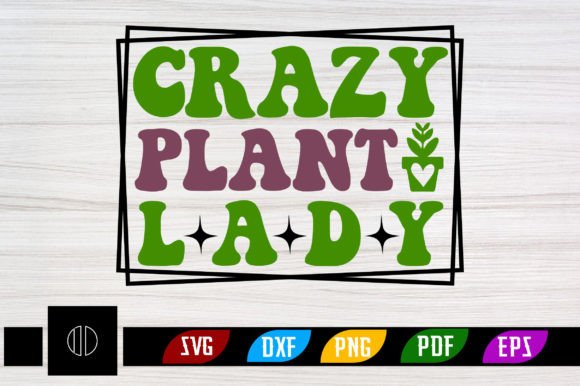
The moment you open the file, the mood is clear. This is not a minimalist, modernist take on houseplants. It leans heavily into a vintage, perhaps late-seventies or early-eighties vibe. The lines are bold, and the composition suggests a playful personality. For an Etsy seller or a small shop product creator, this visual identity is a goldmine. It appeals directly to the "plant mom" demographic without feeling overly cutesy or juvenile.
In terms of layout, the design feels balanced. It does not look like a collection of disparate elements slapped together. Instead, it reads as a cohesive graphic. This is crucial when converting a vector to an embroidery file. If the original graphic has poor hierarchy, the digitizer will struggle, resulting in a tangled mess of thread. From what I can see in the preview, the negative space is handled well, which means the final finished product should have clean edges and distinct shapes rather than a muddy blob of color.
Performance in Real-World Embroidery Scenarios
Let’s talk about where this design shines. I believe Crazy Plant Lady Retro Svg Design is perfectly suited for larger surface areas where detail can breathe. My top recommendation for this file is a canvas tote bag design. When stitched onto natural cotton or heavy-duty canvas, the retro colors pop beautifully. The design allows for a generous amount of thread colors, which adds depth and texture to the final piece. It works equally well as sweatshirt embroidery for those chilly autumn days, providing a cozy, statement-making look.
Another strong use case is apron embroidery. A kitchen towel or a chef’s apron featuring this design feels both functional and decorative. It fits the narrative of someone who loves gardening and cooking—two hobbies that often overlap. For personalized gift items, such as a baby blanket or nursery decor, the theme is soft enough to be appropriate while still being trendy. It bridges the gap between a novelty item and a genuine home decor accent.
However, not every application is created equal. While this design looks fantastic on flat surfaces, I would advise caution when attempting to use it on curved garments like caps or hats. The retro style relies on certain proportions that might distort if the underlying fabric curves too sharply. Similarly, for embroidered patch applications, ensure the border is wide enough to prevent fraying during the cutting process. If you are making commercial embroidery items for resale, stick to structured fabrics like denim, twill, or thick cotton blends.
Where to Exercise Caution
There are specific scenarios where Crazy Plant Lady Retro Svg Design might struggle. First, avoid using this on stretchy knits without proper stabilization. The tension of the thread can pucker thin jersey fabrics, ruining the clean lines of the retro illustration. Second, be mindful of the stitch density. If the design includes large areas of fill stitch, testing on scrap fabric is non-negotiable. You want to ensure that the backing stabilizer is strong enough to support the weight of the thread without showing through to the front.
Additionally, consider the hoop size. If your machine requires a smaller hoop for intricate details, check if the fine lines of the plant leaves remain legible. Sometimes, designs that look crisp on screen become indistinguishable blobs when stitched at a reduced scale. If you plan to sell these as digital product previews or printable mockups, make sure your rendering accurately reflects the potential limitations of the physical stitching process.
Practical Designer Notes for Execution
To get the best results from this embroidery file, I recommend following a strict testing protocol. Start by stitching the design on a piece of scrap fabric that matches the weight and texture of your final product. This helps you identify any issues with thread colors or contrast before you commit to the expensive material.
- Check Stitch Density: Ensure that dense areas do not overwhelm the fabric. If the design feels too heavy, consider reducing the stitch count or switching to a lighter stabilizer.
- Review Small Details: Zoom in on the digital file. Are the tiny leaf veins clear? Will they translate well into running stitch or satin stitch? If the details are too fine, they may disappear after washing.
- Test Black and White Mockups: Convert the design to grayscale to check for contrast issues. This ensures that light and dark threads will stand out against each other, regardless of the color palette you choose.
- Stabilizer Selection: Use a cut-away stabilizer for knit fabrics and a tear-away for wovens, unless the design requires extra support. Proper stabilization is key to preventing puckering.
- Licensing Verification: Before selling any handmade product or custom apparel, double-check the license terms included with the download. Confirm whether you are allowed to sell finished items and if there are any restrictions on commercial use.
Impact on Brand and Customer Trust
Using a well-executed design like Crazy Plant Lady Retro Svg Design significantly boosts brand consistency. When customers see a professionally stitched item, they perceive higher value. It signals that you care about quality, not just speed. In the competitive world of craft business and online marketplaces, this attention to detail can be the deciding factor for a buyer. A crisp, clean embroidery job builds trust and encourages repeat purchases.
Furthermore, the retro theme taps into a sense of nostalgia that resonates deeply with many buyers. It is not just a plant; it is a lifestyle statement. This emotional connection enhances buyer engagement and makes the item more shareable on social media. When customers post photos of their new embroidered patch or kitchen towel, they are essentially advertising your brand for free.
Final Verdict
Overall, Crazy Plant Lady Retro Svg Design is a strong contender for anyone looking to expand their design assets portfolio. It offers a unique blend of humor, trendiness, and visual appeal that works exceptionally well in the Graphics and Crafts categories. Whether you are a seasoned pro or a hobbyist maker, this file provides a solid foundation for creating memorable personalized gifts and small business merchandise.
Just remember: the file is only half the battle. Your skill in preparation, stabilization, and execution determines the final outcome. Take the time to test, adjust, and refine. When done correctly, this design will result in a finished product that customers will love to wear, use, and display. It is a smart addition to any embroidery project lineup, offering both creative satisfaction and commercial potential.