Mini Boss Retro SVG Embroidery Review
As a designer who spends half my life staring at stitch charts and the other half troubleshooting tension issues on vintage machines, I don’t just look at a design file; I look at its potential. When Mini Boss Retro SVG landed in my inbox, I didn’t immediately think about adding it to a digital asset library or listing it on an Etsy shop. I thought about the physical reality of stitching it. Would it hold up? Would it look cheap on a thick cotton tote, or would it pop on a smooth jersey knit? This review is less about what the file contains and more about how it performs when translated from pixels to thread.
First Impressions: Mood and Visual Personality
The moment you open the file, the retro aesthetic is undeniable. It carries that specific mid-century modern vibe that has been dominating craft fairs and boutique shops for the last few years. The typography feels bold but approachable, suggesting confidence without being aggressive. For an embroidery project, this visual personality is crucial because it dictates the fabric choice. You aren’t going to put this on delicate silk organza. This design demands substance.
The layout is clean, which is a relief. In the world of machine embroidery design, clutter is the enemy of clarity. A busy background often gets lost in the texture of the fabric or creates a muddy appearance after washing. Here, the negative space allows the quote to breathe. It feels like a statement piece rather than a decoration. It screams "handmade product" quality, which is exactly what buyers are looking for when they pay a premium for custom apparel or personalized gifts.
Real-World Application: From Screen to Stitch
I took Mini Boss Retro SVG out of the virtual realm and tested it in several real-life scenarios. The first test was a classic canvas tote bag design. This is a staple for any craft business, but it’s also where designs often fail. Canvas is thick, uneven, and unforgiving. Because the design relies on strong lines and clear shapes, it translated beautifully. The contrast between the thread and the natural canvas color made the retro font stand out sharply. It felt professional, not amateurish.
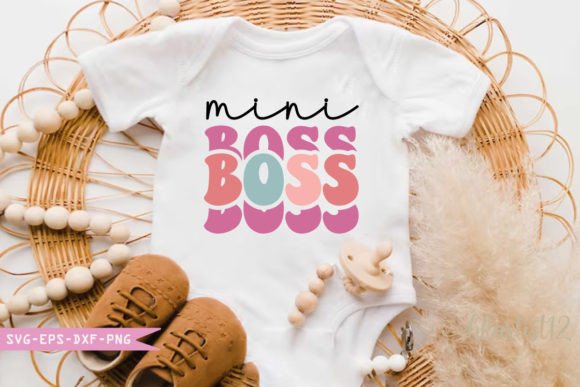
Next, I considered baby embroidery projects. While the theme is "Boss," the retro style softens it enough to work for nursery decor or baby onesies if paired with softer thread colors. However, I had to be careful with placement. On a small garment, the scale matters immensely. If the design is too large, it overwhelms the child; if too small, the details get lost. This file seems balanced for standard chest placements on sweatshirts or centered prints on t-shirts, making it versatile for holiday embroidery campaigns or back-to-school merchandise.
I also imagined this as an embroidered patch. Patches require durability and distinct edges. The retro graphic style lends itself well to applique design techniques, though the primary strength here lies in the fill stitch areas. If executed correctly, the dense stitching provides a luxurious texture that mimics the printed graphics of vintage posters. It adds a tactile element that digital prints simply cannot match, increasing the perceived value of the finished product.
Technical Considerations and Potential Pitfalls
No design is perfect, and knowing where a design might struggle is just as important as knowing where it shines. When working with Mini Boss Retro SVG, there are specific areas where an embroiderer needs to exercise caution.
Fabric Texture and Stability: This design looks best on stable fabrics. If you attempt to stitch this on a highly textured bouclé or a very thin, sheer material, the stitch density may cause puckering or distortion. Always use a proper stabilizer. For stretchy fabrics like those found in athletic wear or fitted caps, a cut-away stabilizer is non-negotiable to prevent the design from warping over time.
Small Details and Lettering: While the main quote is legible, check the smaller decorative accents. In machine embroidery, tiny details can sometimes merge together during the stitching process, especially if the hoop size is limited. If you plan to use a small hoop size, inspect the fine lines closely. It is often better to simplify intricate corners digitally before stitching to ensure crisp results.
Thread Color Contrast: The visual appeal of this retro theme relies heavily on contrast. Dark fabric requires light, vibrant threads, while light fabrics need deeper tones. Testing thread colors on scrap fabric is essential. A poor color choice can make a great design look dull. Also, consider the washability of your thread choices. Some bright retro colors may fade faster than neutrals, affecting the longevity of the handmade product.
Strategic Use Cases for Sellers and Makers
For the Etsy seller or small shop owner, understanding the market fit is key. This design fits perfectly into the growing niche of motivational home goods. Think pillow covers, kitchen towels, and aprons. These items are popular as wedding gifts, housewarming presents, and holiday gifts. The "Boss" theme appeals to entrepreneurs, managers, and creative types, broadening your customer base beyond just general crafters.
It also works well for commercial embroidery projects for local businesses. Imagine a coffee shop or a co-working space ordering branded aprons or hats. The retro style feels trendy and Instagram-friendly, which helps with brand consistency and buyer engagement. Customers love sharing photos of their unique, handmade purchases, providing free marketing for your shop.
Practical Designer Notes Before You Start
Before you commit to a full production run or list this as a digital embroidery file, follow these practical steps to ensure success:
- Test on Scrap Fabric: Never trust a simulation. Stitch the design on the actual fabric you intend to sell. Check for puckering, thread breaks, and alignment issues.
- Check Stitch Density: Ensure the fill stitch areas are not too dense for your fabric weight. Too much density can make the fabric stiff and uncomfortable, especially on wearable items like sweatshirts or baby clothes.
- Review in Black and White: Convert the design to black and white in your software to check the balance of positive and negative space. This helps identify if any areas are too heavy or too sparse.
- Confirm Licensing: If you plan to sell finished items or distribute this as part of a bundle, double-check the license terms. Commercial rights vary, and protecting your intellectual property and respecting the creator’s terms is vital for long-term credibility.
- Compare Backgrounds: Test the design against both light and dark backgrounds. A design that looks good on white might disappear on gray or navy unless you adjust the thread colors.
In conclusion, Mini Boss Retro SVG is a solid addition to any embroiderer’s toolkit. It offers a blend of nostalgia and modern professionalism that resonates with today’s consumers. By paying attention to fabric selection, stabilization, and color contrast, you can transform this simple graphic into a high-quality, desirable product. Whether you are creating personalized gifts for friends or building a robust craft business, this design provides a reliable foundation for creativity. Just remember: the file is only as good as the execution. Take your time, test thoroughly, and let the quality of your work speak for itself.
For those interested in exploring more assets, this falls squarely under the categories of Crafts and Graphics, offering endless possibilities for customization. Keep experimenting, keep testing, and most importantly, keep creating products that people will cherish.