Little Boss Lady Retro SVG Review
As a designer who spends more time than I care to admit staring at stitch paths and fabric swatches, I don’t just buy digital assets; I stress-test them. When I pulled Little Boss Lady Retro SVG into my design software last week, I wasn’t looking for another generic clipart file. I was looking for something that could carry weight in a commercial project without falling apart under the needle. The market is flooded with "boss babe" aesthetics, but few manage to balance nostalgia with modern embroidery viability. This design caught my eye not because of the buzzwords, but because of its structural promise.
I immediately imagined this as a centerpiece for a custom embroidered tote bag or perhaps a high-end baby sweatshirt for a boutique client. The prompt describes it as perfect for crafting projects, including t-shirts, mugs, and tumblers, but let’s be honest: some graphics look great on a screen and terrible when stitched. My job is to bridge that gap between digital preview and physical reality. Here is my practical evaluation of how this embroidery project holds up when you move from pixel to thread.
First Impressions and Visual Personality
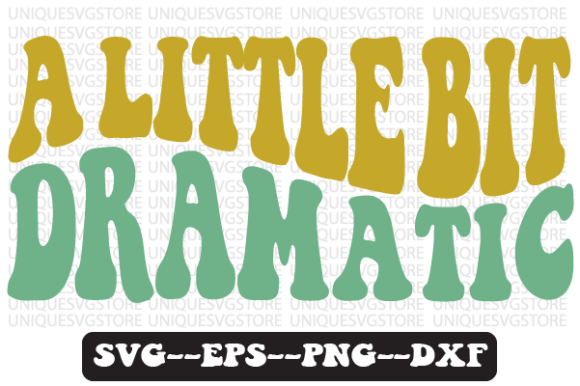
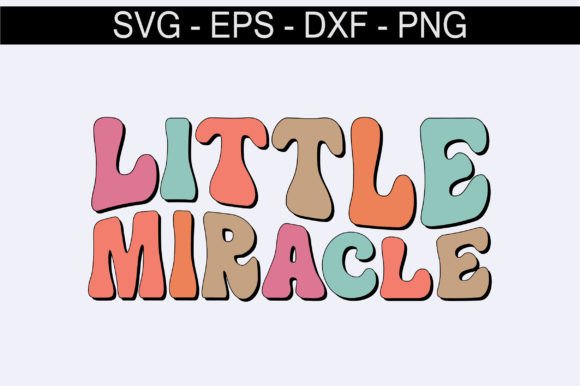
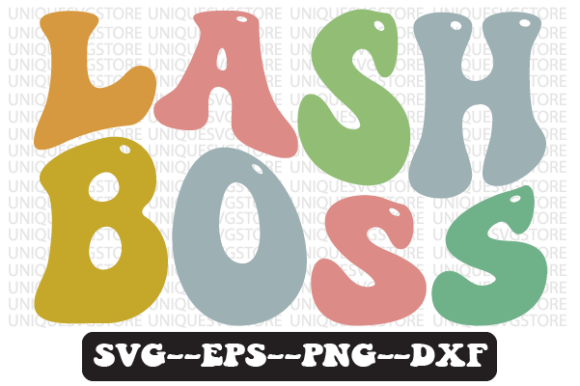
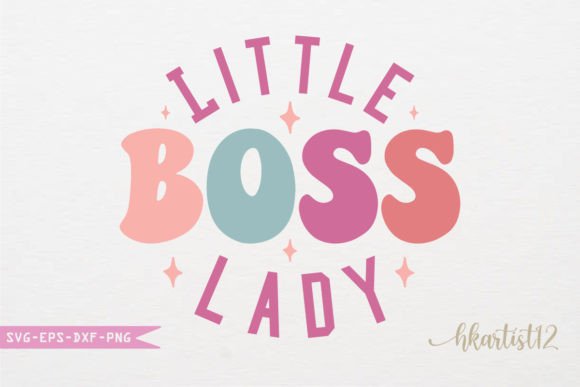
The moment you load the file, the retro vibe hits hard. It’s not subtle, and honestly, that’s a strength. In the world of handmade products, subtlety often gets lost in transit. This design screams confidence. The layout feels balanced, which is crucial for an embroidery file because asymmetry can throw off the hooping process if not planned carefully. The visual personality suggests a playful yet authoritative tone, making it ideal for personalized gifts that need to make a statement.
From a design asset perspective, the lines are clean. There is no messy clutter that would result in tangled threads or excessive trimming. For those of us selling on Etsy or running a small shop product line, clarity is king. A customer scrolling through a feed needs to understand the aesthetic instantly. This design delivers that immediate recognition. It fits squarely into the Crafts category but elevates it through its graphic integrity. It feels like a digital embroidery file that respects both the artist’s vision and the embroiderer’s limitations.
Real-World Application: The Tote Bag Scenario
To truly judge this, I put it through a mental simulation of a real client order. Let’s say a local coffee shop wants branded merchandise for their staff. They want something fun, empowering, and durable. I envisioned placing the Little Boss Lady Retro SVG on a heavy-duty canvas tote bag.
Here is where the rubber meets the road. On a flat, stable surface like canvas, this design would shine. The stitch density appears manageable, meaning the fabric won’t pucker excessively—a common complaint with low-quality designs. If executed correctly, the text remains legible even after multiple washes. However, I had to consider the edges. If the design includes intricate decorative accents near the border, I would advise moving it slightly inward to avoid hoop burn. For a tote bag design, this level of detail adds perceived value, making the item feel less like a mass-produced promo item and more like a curated handmade product.
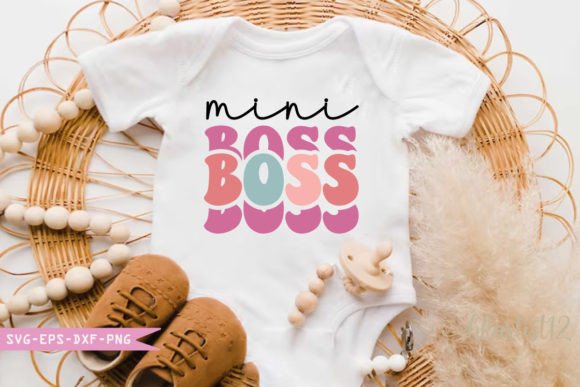
Similarly, imagine this on a baby onesie. The theme is inspirational and positive, which resonates deeply with parents looking for meaningful gifts. But baby clothes require delicate handling. The design must be soft to the touch. If the satin stitch areas are too dense, it might irritate sensitive skin. In this scenario, the retro font choices likely offer enough spacing to keep the stitching light, ensuring the final product is both stylish and comfortable.
Where Caution Is Required
No design is universal, and Little Boss Lady Retro SVG has its limits. You need to know where to draw the line to protect your reputation as a maker.
- Small Hoop Sizes: If you are working with a 4x4 inch hoop, you may need to scale down. Always check if the lettering becomes too tiny to read. Tiny lettering in embroidery often turns into a blurry blob unless you have a high-end machine and premium thread.
- Textured and Stretchy Fabrics: Avoid using this on ribbed knit caps or highly textured fleece. The uneven surface will distort the fill stitch areas, ruining the geometric integrity of the retro shapes. Stick to stable knits or wovens.
- Dense Stitch Areas: While the density looks good on paper, always inspect the corners. Tight corners in a satin stitch can cause bird nesting or thread breaks. If the design has sharp angles, consider adding a slight round-over in your editing software before stitching.
- Dark Fabric Contrast: Ensure your thread colors provide enough contrast against dark backgrounds. Retro palettes often use muted tones, which can disappear on black fabric. Test this in a black and white mockup first to verify legibility.
Technical Notes for the Serious Designer
Before you start producing commercial embroidery items, there are housekeeping steps that separate professionals from hobbyists. First, test the design on scrap fabric that matches your final material. This reveals how the stabilizer interacts with the fabric and whether any adjustments to tension are needed.
Second, review the stitch types. Does the design rely heavily on running stitch for details? These can fray over time if not backed properly. If it uses extensive fill stitch, ensure the direction of the stitches complements the flow of the garment. For instance, horizontal fill on a chest logo can create a flattening effect that might not sit well on a curved surface like a cap.
Third, confirm licensing. Just because you bought the file doesn’t automatically mean you can sell unlimited finished goods. Check the terms for Etsy seller compliance. Many designers allow commercial use but restrict resale of the digital file itself. Understanding these boundaries protects your craft business from legal headaches.
Final Verdict on Value and Appeal
Does Little Boss Lady Retro SVG earn its place in your library? Yes. It offers a strong visual hook that translates well across various mediums, from custom apparel to embroidered patches. Its versatility makes it a valuable design asset for anyone looking to expand their catalog of small shop products.
The design supports brand consistency by offering a distinct aesthetic that stands out in a crowded marketplace. Whether you are creating holiday embroidery gifts or everyday wear, this file provides a reliable foundation. It encourages buyer engagement because it taps into current cultural trends while remaining timeless enough to stay relevant beyond a single season.
In conclusion, this is a solid choice for designers who want to produce high-quality, professional-looking items without spending hours digitizing from scratch. It respects the medium of embroidery, offers clear visual hierarchy, and delivers on the promise of being a versatile tool for creative entrepreneurs. Just remember: the best results come from careful preparation, proper testing, and an understanding of what the machine can actually achieve. Use this design wisely, and it will serve your finished product line well.